
Eastern Syrian Ghee | Authentic Euphrates & Jazira Pastures
Discover premium authentic Eastern Syrian ghee, meticulously crafted from the rich milk of grass-fed Syrian Awassi sheep and countryside cows across the fertile Euphrates river basin and Jazira steppes. 100% pure, unadulterated artisanal ghee with traditional granular texture and direct delivery across all Syrian governorates.
Geographic Origin & Natural Grazing Flora along the Euphrates Basin
The Eastern Region of Syria, comprising the fertile river plains of Deir ez-Zor, Al-Hasakah, and Raqqa, is the historical cradle of authentic Levantine ghee. Indigenous Awassi sheep flocks and pasture cows graze freely across the Syrian Desert (Badia) and riverbanks, feeding on aromatic wild herbs including wild artemisia (Shih), chamomile, wild clover, and sun-ripened durum wheat stalks.
This pristine botanical biodiversity yields a high-fat milk rich in natural carotenoids, fat-soluble vitamins, and a distinctive herbaceous aroma, forming the foundation of genuine Syrian ghee as detailed in our health benefits guide.
Al Samn Al Malaki Eastern Collection Available for Direct Order
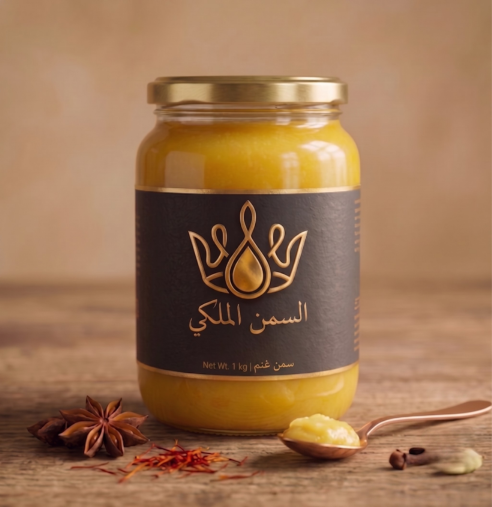
Authentic Eastern Sheep Ghee (1kg)
100% pure pasture-fed Awassi sheep ghee with authentic rustic aroma and delicate granular (marmal) texture.
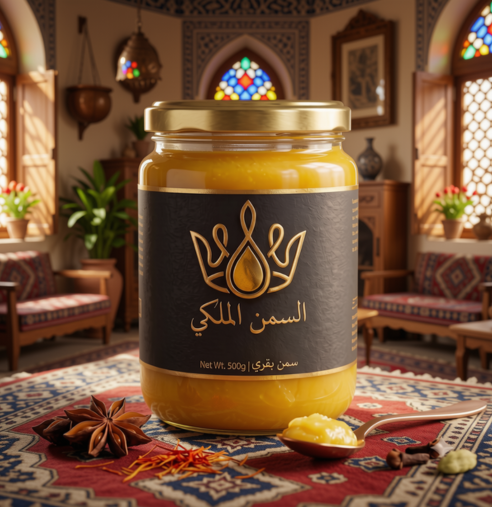
Jazira Countryside Cow Ghee (1kg)
Natural golden cow ghee with a delicate buttery aroma and silky melt, perfect for balanced everyday dining.
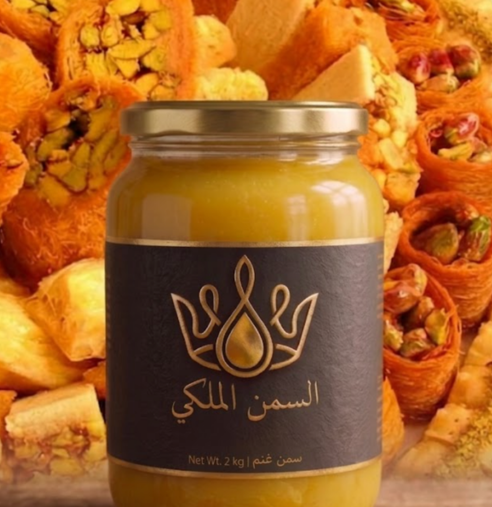
Royal Ghee for Oriental Sweets (1kg)
Ultra-clarified ghee formulated to give Baklava, Maamoul, and Kunafa an authentic golden crispness and fragrant aroma.
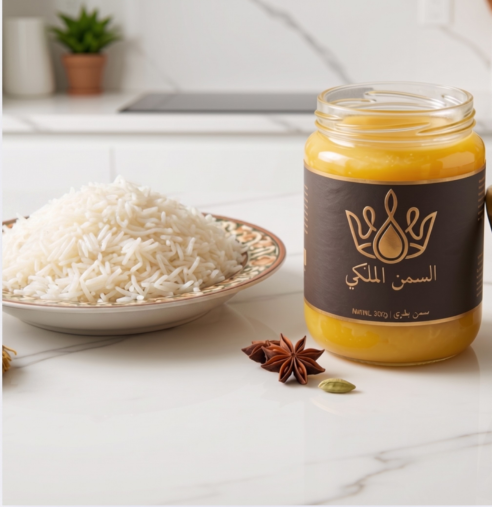
Eastern Ghee for Banquets & Mansaf (1kg)
A robust, rich blend crafted specifically for festive rice banquets, roasted meats, and traditional stews.
Milk Sourcing & Traditional Clarification Methods
The authentic quality of Eastern Syrian ghee is achieved through time-tested artisanal methods:
1. Pure Syrian Awassi Sheep Milk
Collected seasonally during peak pasture blooms from indigenous Awassi flocks known for producing dense, nutrient-rich dairy fat.
2. Natural Fermentation & Churning
The milk is traditionally cultured into whole laban and churned to separate sweet raw cream butter, which is thoroughly rinsed to isolate pure butterfat.
3. Slow Simmering with Durum Bulgur Grains
The butter is gently melted over low heat alongside cracked durum wheat and fenugreek seeds to absorb every trace of moisture, producing an immaculate amber liquid that crystallizes into a fine granular texture.
Sensory Characteristics & Recommended Cooking Uses
Eastern Syrian ghee is renowned for its granular melt-in-the-mouth texture, warm ivory colour in sheep ghee, and radiant gold in cow ghee. With a high smoke point exceeding 250°C, it is the premier choice for authentic festive Mansaf, roasted meats, Kibbeh, and traditional pastries as outlined in our culinary uses guide. We also offer wholesale ghee supply for restaurants and commercial bakeries.
Nationwide Fast Delivery Across All Syrian Governorates
We provide swift and secure refrigerated shipping to homes and businesses across Damascus, Aleppo, Homs, Hama, Latakia, and Tartus via our specialized Syrian ghee delivery service.
Frequently Asked Questions about Eastern Syrian Ghee
What distinguishes Eastern Syrian ghee from other regional varieties?
The defining quality stems from the wild grazing flora along the Euphrates basin and Jazira steppes, rich in wild artemisia and chamomile, paired with nutrient-dense Awassi sheep milk and artisanal slow-simmering traditions.
What package sizes are available for purchase?
We provide sealed 1kg and 2kg jars for households, as well as catering bulk tins of 5kg, 10kg, and 16kg for restaurants and confectioners.
How is the ghee transported to ensure freshness across Syria?
Shipments are dispatched daily via climate-controlled transport to prevent heat exposure and maintain the authentic granular consistency upon delivery.
How should I store Eastern Syrian ghee after opening?
Store in a cool, dry pantry away from direct heat or light. Due to its complete lack of moisture, refrigeration is not required at normal room temperatures. Always use clean, dry utensils.