
Sheep Ghee vs Cow Ghee: A Comparative Quality Analysis of Flavor, Lipids & Culinary Applications
Understanding the culinary and nutritional distinctions between Awassi sheep ghee and pasture cow ghee is foundational to Levantine gastronomy. While sheep ghee offers an assertive aromatic depth prized for celebratory banquets and heritage confections, cow ghee provides a delicate, golden versatility ideal for daily dining. This monograph details their distinct lipid structures, sensory properties, and documented nutritional benefits.
1. Animal Origin & Pasture Ecology
Sheep ghee is harvested from indigenous Awassi sheep grazing across the arid steppes of Deir ez-Zor, the Euphrates basin, and the Syrian Badia. Grazing on wild artemisia (Shih) and hardy desert herbs produces concentrated milk with a butterfat yield of 6.5% to 8.5% with extraordinary aromatic complexity.
Cow ghee is sourced from cattle pastured in the lush, irrigated meadows of the Ghab plains in Hama and the Orontes river valley. Grass-fed cow milk yields 3.5% to 4.5% butterfat enriched with beta-carotene synthesized from green clover and fresh forages.
2. Sensory Attributes: Color, Aroma & Grain Melt
Awassi Sheep Ghee (Samn Ghanam)
Color: Natural ivory-white upon solidification.
Aroma: Rich, rustic pastoral bouquet with warm herbal undertones.
Texture: Pronounced crystalline granules that melt luxuriously on the palate at 34°C.
Pasture Cow Ghee (Samn Baqari)
Color: Radiant golden amber from natural carotenoids.
Aroma: Mild, soothing buttery sweetness suitable for all palates.
Texture: Silky, micro-fine crystalline melt at 32°C.
3. Lipid Profile, Fatty Acids & Bioavailable Vitamins
Sheep ghee contains higher concentrations of short- and medium-chain fatty acids (including butyric, caproic, and caprylic acids), which are metabolized directly by the liver for cellular energy rather than stored in adipose tissue.
Cow ghee excels in natural bioavailable Vitamin A (retinol), Vitamin E (tocopherol), and conjugated linoleic acid (CLA), supporting cellular repair, immune health, and lipid stability during ambient storage.
4. Culinary Pairing: When to Choose Sheep vs Cow Ghee?
Sheep Ghee: Indispensable for festive Mansaf rice platters, roasted spiced lamb, pistachio Baklava, Maamoul, and Kunafa, where an authoritative aromatic presence is required as detailed in our culinary guide.
Cow Ghee: Optimal for everyday sautéing, braised vegetables, soups, morning eggs, and delicate poultry or seafood dishes where subtle buttery enhancement is desired without overpowering primary ingredients.
5. Digestive Bioavailability & Metabolic Impact
Sheep ghee is favored by keto and low-carb practitioners due to its rapid conversion into ketone bodies and complete absence of lactose and casein solids after traditional clarification. Cow ghee is particularly gentle on sensitive digestive tracts, making it well suited for children and elderly individuals.
6. Comprehensive Comparative Matrix
| Quality Benchmark | 100% Pure Awassi Sheep Ghee | 100% Pure Pasture Cow Ghee |
|---|---|---|
| Ecosystem Origin | Arid steppes of Badia & Euphrates basin | Lush meadow valleys of Ghab & Hama |
| Natural Pigmentation | Natural ivory-white crystalline hue | Golden amber hue from natural beta-carotene |
| Aromatic Intensity | Rich, full-bodied rustic pastoral bouquet | Delicate, sweet, mild buttery notes |
| Granular Structure | Distinct coarse crystalline granules | Velvety micro-fine crystalline texture |
| Prime Culinary Uses | Mansaf, festive banquets, Baklava, Maamoul | Everyday cooking, soups, light pastries |
| Thermal Smoke Point | >250°C (482°F) high heat stability | >250°C (482°F) high heat stability |
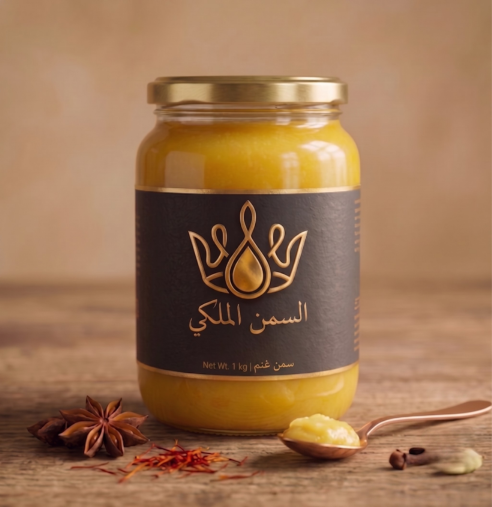
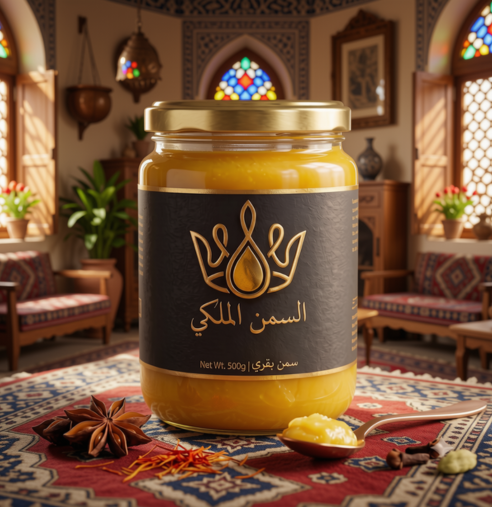
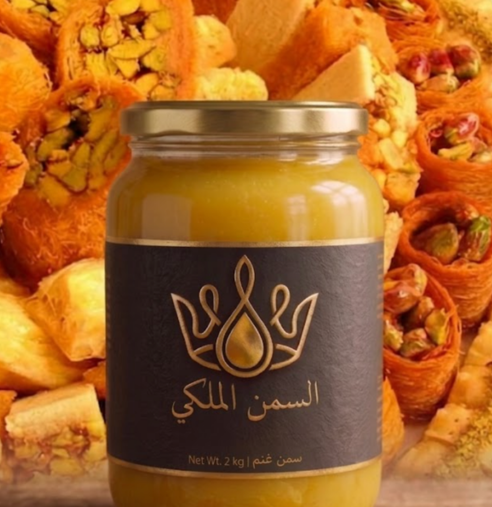
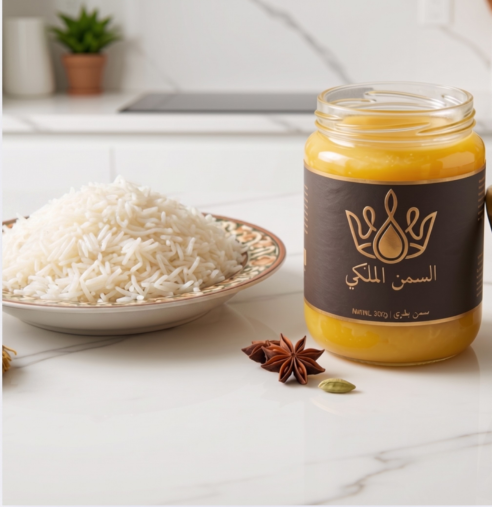
Certified Pure Syrian Ghee Selections
Artisanal batches crafted and tested to rigorous dairy standards
8. Frequently Asked Comparative Questions
Can sheep and cow ghee be blended in cooking?
Yes. Combining sheep and cow ghee (typically in equal parts or a 30:70 ratio) is a cherished culinary technique across Syria, marrying the aromatic richness of sheep butterfat with the smooth lightness of cow ghee.
Why is sheep ghee generally priced higher than cow ghee?
Awassi sheep lactation is seasonal, concentrated during spring months, and yields smaller milk volumes requiring significantly more raw milk per kilogram of finished clarified butterfat than year-round bovine dairy.
Which variety is superior for oriental pastry crusts?
Traditional Baklava and Maamoul recipes demand Awassi sheep ghee for its signature aroma, whereas confectioners crafting Kunafa and delicate tea cookies often blend with cow ghee for balanced browning and lighter mouthfeel.