
What Is the Best Container for Storing Arabic Ghee? Food-Grade Tin vs. Amber Glass vs. Ceramic vs. Plastic
Selecting the best container for storing ghee is a fundamental technical decision that directly determines whether clarified butterfat retains its floral dairy aroma and luxurious granular texture (Danedar) for years, or succumbs to premature oxidation. While pure heritage Syrian ghee exhibits extraordinary natural chemical stability as documented in our ghee shelf life guide and our summer storage protocols, the interface between lipid molecules and container walls governs preservation. This engineering report compares the primary packaging materials used across global culinary industries.
1. Lipid Packaging Physics: The 4 Critical Protection Barriers
To shield milkfat fatty acids from autoxidation, container vessels must provide four absolute barriers:
- 100% Light Radiation Barrier: Total blocking of ultraviolet wavelengths that trigger photodegradation of natural beta-carotene pigments as detailed in our ghee color analysis.
- Absolute Oxygen Barrier: Impermeable walls that eliminate gas transmission with the external atmosphere.
- Total Chemical Inertness: Zero leaching or migration of synthetic plasticizers or heavy metals into warm, liquid fat.
- Hermetic Moisture Seal: Complete isolation from ambient water vapor to prevent hydrolytic sourness as explored in our spoilage diagnostics guide.
Oxygen Transmission Rate (OTR) & UV Blocking
2. Food-Grade Lacquered Tinplate: The Industry & Heritage Benchmark
Food-grade lined metal canisters represent the time-honored choice of master Levantine butterfat merchants:
- 100% Total Darkness (0% Light Transmission): Complete protection against indoor fluorescent and solar photo-oxidation.
- Superior Shipping Durability: Resists severe transit impacts and pressure differentials without breakage or seal compromise.
- Thermal Radiation Reflection: Metallic surfaces reflect ambient heat radiation, maintaining internal temperature stability.
3. Amber Glass vs. Clear Glass Jars: The Photo-Oxidation Threat
Glass is completely chemically inert, but jar opacity makes all the difference:
- Clear Glass Jars: While aesthetically appealing on countertops, transparent glass transmits 100% of ambient light, accelerating surface rancidity within weeks if exposed to kitchen lights.
- Amber Glass Jars: Filters out over 90% of harmful UV spectra, making it an excellent secondary choice for smaller tabletop decanting jars stored in cupboards.
4. Traditional Clay Pots & Glazed Ceramics: Heritage vs. Permeability
Heritage cooks across the Levant historically preserved ghee in earthenware pots (Khabiyah):
Unfinished porous clay absorbs liquid butterfat over time and permits microscopic air ingress leading to stale odors. Conversely, fully vitrified glazed ceramic provides an impermeable, chemically inert surface that insulates against temperature swings.
5. The Plastic Hazard: Why Commercial Plastics Threaten Butterfat Purity
Global food safety standards strictly advise against long-term fat storage in plastic containers:
- Microscopic Gas Permeability: Polyethylene and PET polymers permit slow oxygen migration and absorb ambient refrigerator odors.
- Chemical Migration Risks: Warm liquid butterfat acts as a natural solvent that extracts phthalates and microplastic residues from container walls, degrading authentic flavor and compromising health.
6. Comprehensive Packaging Materials Comparison Matrix
| Container Material | Light & UV Barrier | Oxygen & Moisture Barrier | Chemical Inertness | Shipping Resilience | Overall Rating |
|---|---|---|---|---|---|
| Food-Grade Lacquered Tinplate | 100% Total Barrier | 100% Hermetic Seal | Excellent (Epoxy Lined) | Indestructible / Shatterproof | The Gold Standard (10/10) |
| Amber / Dark Glass Jar | 90% – 95% UV Filter | 100% (With Rubber Gasket) | 100% Chemically Inert | Fragile / Breakable | Excellent for Home Use (9/10) |
| Clear Glass Jar | 0% (Full Light Penetration) | 100% | 100% Chemically Inert | Fragile / Breakable | Good in Dark Pantries Only (6/10) |
| Clear Plastic Container (PET/PP) | Poor Light Protection | Semi-permeable to Gases | Poor (Chemical Leaching Risk) | Flexible / Shatterproof | Not Recommended (2/10) |
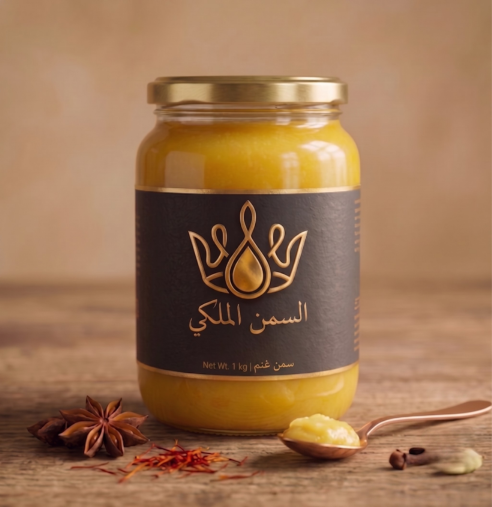
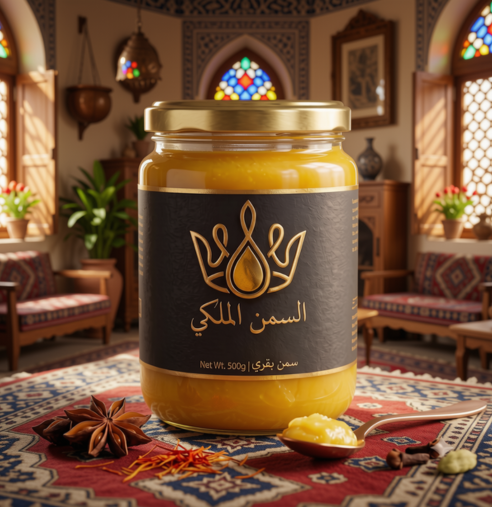
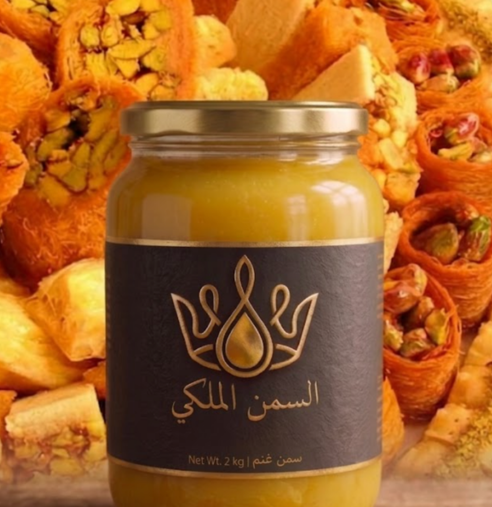
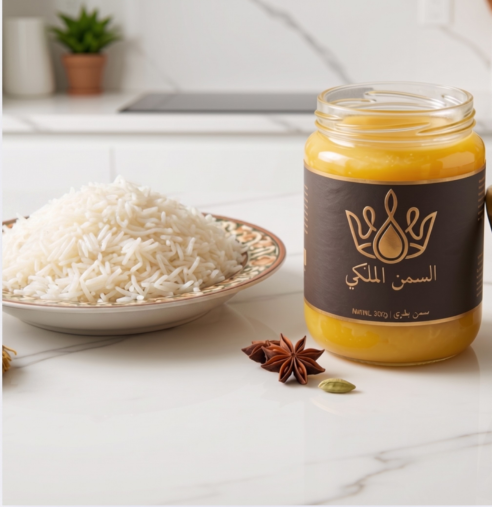
Certified Artisan Heritage Ghee Selection
100% pure Syrian clarified butterfat packaged in hermetic, food-grade lined tins for maximum flavor and preservation
8. Frequently Asked Ghee Container Questions
Can metal tins rust and taint the taste of ghee?
All Al Samn Al Malaki tins are coated with certified food-grade protective epoxy lacquer, ensuring total isolation between metal and fat with zero risk of corrosion.
Should I transfer ghee from the tin to a glass jar after opening?
Transferring is unnecessary because the original hermetic tin offers superior darkness. If you prefer a smaller working jar on your counter, decant into dark amber glass.
Why do commercial brands use cheap clear plastic tubs?
Clear plastic reduces shipping weight and manufacturing overhead, but exposes the butterfat to photo-oxidation, shortening shelf life and compromising gourmet aroma.