
How to Store Arabic Ghee in Summer: Preserving Pure Butterfat in High Temperatures & Heatwaves
Managing how to store ghee in summer is a common consideration in the Gulf and hot arid regions, where kitchen temperatures frequently exceed 35°C, causing solid clarified butterfat to liquefy into golden oil. Because authentic Syrian clarified ghee is rendered to over 99.8% pure butterfat with zero moisture, it possesses exceptional resistance to heat degradation as documented in our ghee shelf life analysis and our post-opening storage guide. Applying precise seasonal storage practices preserves its rich pasture aroma and delicate grain. This empirical guide details optimal thermal management protocols.
1. Butterfat Thermal Physics: What Occurs Above 30°C?
Pure milkfat undergoes a natural physical phase transition when ambient temperatures rise:
- Natural Melting Point (32°C – 35°C): Triglyceride crystal bonds soften, transitioning the fat from a granular semi-solid into a clear golden liquid.
- Nutritional Stability: This phase shift is purely physical. Saturated fatty acids and fat-soluble vitamins (A, D, E, K) remain completely intact and stable, unlike butter which spoils quickly when warm.
The 5 Rules of Summer Ghee Preservation
2. Seal hermetically after every use to prevent humid airflow.
3. Use 100% dry, stainless-steel spoons to eliminate moisture ingress.
4. Keep in opaque food-grade tins to reflect thermal radiation.
5. Avoid rapid, repeated transfers between refrigerators and hot rooms.
2. The 5 Golden Rules for Summer Pantry Storage
In air-conditioned homes (22°C – 26°C), a dark pantry remains the ideal storage location:
- Lower Cabinet Advantage: Floor-level cabinets stay 3°C to 5°C cooler than eye-level or overhead cupboards.
- Heat Source Isolation: Never position ghee near ovens, dishwashers, or direct window sunlight.
3. Strategic Portioning & Avoiding the Condensation Trap
When kitchen temperatures remain above 35°C without central air conditioning as explored in our refrigeration guide:
Keep the primary bulk tin (1kg+) safely in the refrigerator, and decant a small 200g working jar for daily pantry use. This eliminates the need to repeatedly remove the main tin from the fridge, completely avoiding moisture condensation on the cold fat surface.
4. Protecting Clarified Ghee During Summer Transit & Delivery
During summer shipping across hot transit corridors:
- Hermetic Tin Packaging: Pressure-tested metal containers prevent fluid leakage and shield the fat from ambient oxidation.
- Liquid Arrival: Arriving in liquid state is a normal summer occurrence and does not compromise purity or freshness as documented in our spoilage diagnostics guide.
5. The Gradual Cooling Protocol to Restore Danedar Grain
To restore a luxurious granular texture after receiving melted ghee in summer:
- Step 1: Place the unopened tin in an air-conditioned room (22°C) for 6 hours undisturbed to allow fat crystals to settle.
- Step 2: For faster setting, chill in the refrigerator for 45 to 60 minutes until firm, then return to the pantry; gradual cooling reconstructs the prized Danedar grain.
6. Summer Storage Environment & Quality Matrix
| Storage Location | Average Temperature | Consistency | Flavor Stability | Culinary Recommendation |
|---|---|---|---|---|
| Lower Pantry Cabinet (AC Home) | 22°C – 25°C | Soft, granular, scoopable | 100% optimal with full aroma | The premier choice for everyday use |
| Countertop Near Window/Stove | Above 35°C | Clear liquid oil | Accelerated photo-oxidation | Relocate immediately to a dark cupboard |
| Refrigerator (With Small Decanted Jar) | 4°C – 6°C | Firm solid block | Maximum protection for 2+ years | Best for bulk reserves during severe heatwaves |
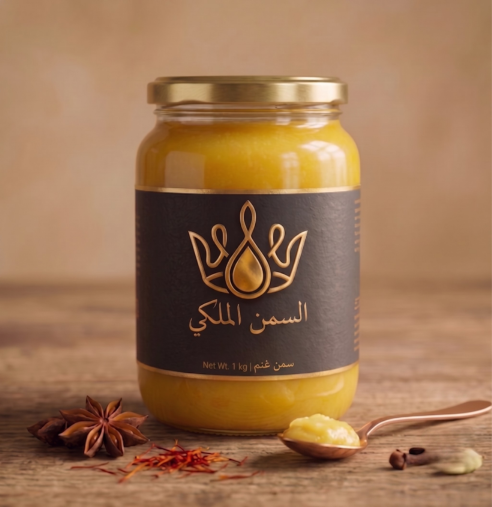
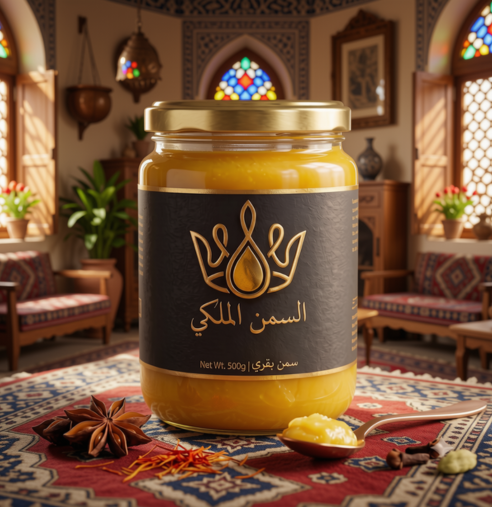
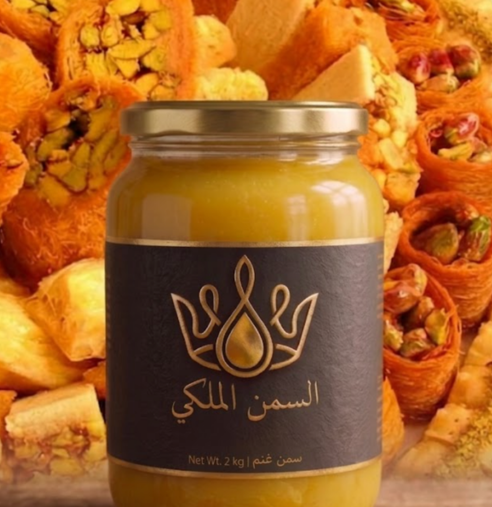
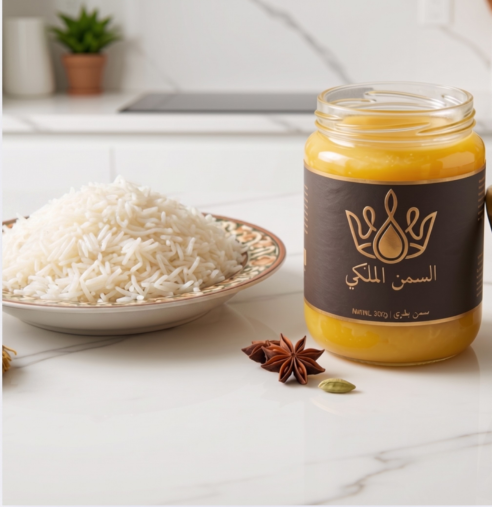
Certified Artisan Heritage Ghee Selection
Pure Syrian clarified butterfat packaged in hermetic tins engineered to withstand seasonal heatwaves
8. Frequently Asked Summer Ghee Storage Questions
Does repeated melting and solidifying harm ghee flavor?
No. Chemical lipid composition and taste remain unaltered by phase transitions, provided the tin is shielded from light and moisture.
Can ghee be left in a parked car during summer errands?
Avoid leaving containers in parked cars where interior temperatures exceed 60°C, as extreme heat can stress container seals and vaporize delicate aroma notes.
Why are metal tins superior to glass or plastic in summer?
Food-grade lined tins block 100% of light radiation, prevent heat-accelerated photo-oxidation, and will not leach chemicals like plastics or shatter like glass.