
Should Arabic Ghee Be Refrigerated? Refrigerator vs. Pantry Storage Physics, Texture Impacts & Freshness Retention
The question should ghee be refrigerated is one of the most frequent inquiries from culinary enthusiasts and home cooks. The definitive scientific answer is: No, authentic pure Arabic ghee does not require refrigeration under normal household conditions. In fact, storing ghee in a cool, dark kitchen pantry (18°C–24°C) is the ideal standard for preserving its luxurious granular crystallization (Danedar) and floral aromatic volatility, as detailed in our post-opening storage guide and our pure ghee identification guide. This empirical report explores the physical and chemical behavior of chilled clarified milkfat.
1. Direct Scientific Answer: Does Pure Clarified Ghee Require Chilling?
Traditional artisan Syrian ghee differs fundamentally from standard dairy butter. While butter contains 16% to 18% water, milk sugars, and perishable milk proteins (casein), pure clarified ghee offers:
- 99.8%+ Pure Lipid Purity: Complete elimination of moisture, lactose, and casein proteins during low-heat clarification.
- Negligible Water Activity (a_w < 0.2): A sterile biological environment where microbial pathogens and mold spores cannot survive or proliferate.
Chemical Stability in Ambient Storage
2. Crystallization Physics: How Cold Temperatures Alter Grain Texture
When ghee is placed in a refrigerator at 4°C, distinct physical phase changes occur:
- Triglyceride Hardening: Milkfat triglycerides solidify rapidly and homogenously into a rigid, waxy solid, losing the delicate semi-soft granular texture (Danedar) that allows easy spooning.
- Suppression of Volatile Esters: Deep cold locks in delicate volatile aromatic compounds, muting the rich pasture aroma until the fat is heated on the stove.
3. The Condensation Hazard: The Primary Risk of Cold Storage
Frequent refrigeration can inadvertently introduce the greatest threat to clarified butterfat:
When a chilled container of ghee is removed from the refrigerator and opened in a warm, humid kitchen, ambient water vapor condenses instantly on the cold inner walls and fat surface. These microscopic water droplets create localized hydrolytic zones that catalyze rancidity and surface mold.
4. Three Specific Scenarios Where Refrigeration Is Advisable
While pantry storage is the gold standard, refrigeration is recommended in three scenarios:
- Intense Summer Heatwaves (>35°C): When ambient kitchen temperatures remain hot enough to keep ghee in a continuous liquid state for weeks, refrigeration protects fat-soluble vitamins (A, D, E, K).
- Bulk Long-Term Reserve Tins (12+ Months): Large multi-kilogram containers intended for extended multi-year preservation benefit from cold storage.
- Accidental Moisture Contamination: If a damp spoon is accidentally inserted into the tin, immediate refrigeration slows down hydrolytic breakdown until the product is consumed.
5. Protocol for Restoring Granular Texture After Extended Chilling
If ghee has hardened in the refrigerator and you wish to restore its velvety granular grain:
- Gentle Liquefaction: Warm the ghee in a heatproof glass container over a gentle warm water bath (45°C) until completely melted and transparent.
- Slow Ambient Crystallization: Allow the melted ghee to cool slowly at room temperature (20°C–22°C) without agitation; slow cooling promotes the formation of delicate crystalline micro-grains.
6. Comparative Storage Matrix: Pantry vs. Refrigerator vs. Freezer
| Storage Environment | Temperature Range | Physical Consistency | Aromatic & Grain Retention | Expert Culinary Recommendation |
|---|---|---|---|---|
| Dark Kitchen Pantry | 18°C – 24°C | Velvety, granular, effortlessly scoopable | Optimal release of volatile pasture esters | The primary gold standard for everyday culinary use |
| Refrigerator (Middle Shelf) | 4°C – 6°C | Firm solid block; softens at room temp | Temporary suppression of aroma until melted | Recommended during extreme summer heat (>35°C) |
| Deep Freezer | -18°C | Rigid crystalline block | Complete preservation arrest for 3+ years | Strategic bulk reserve storage only |
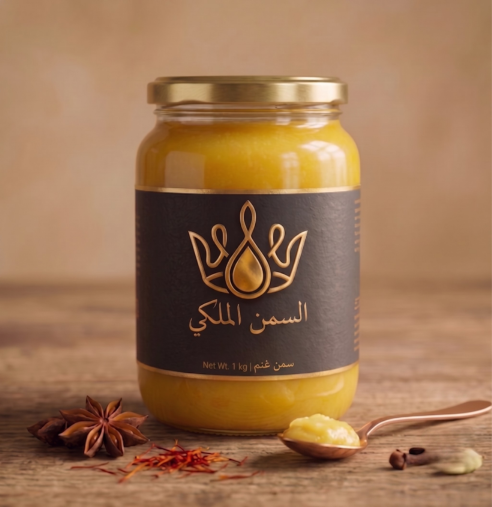
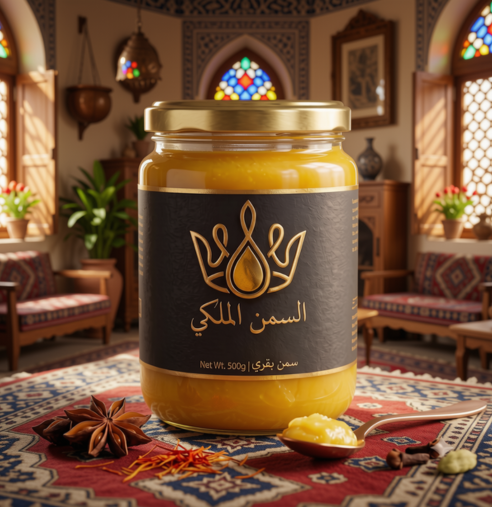
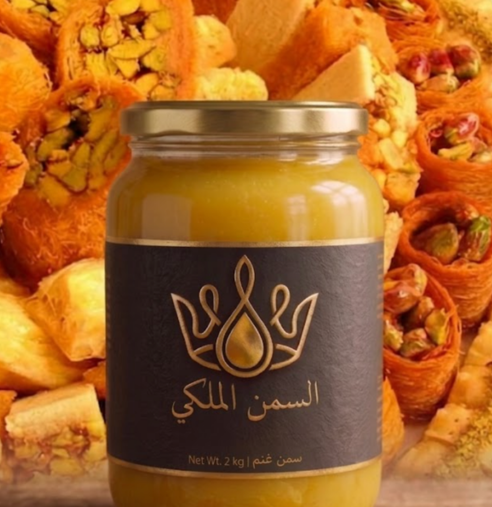
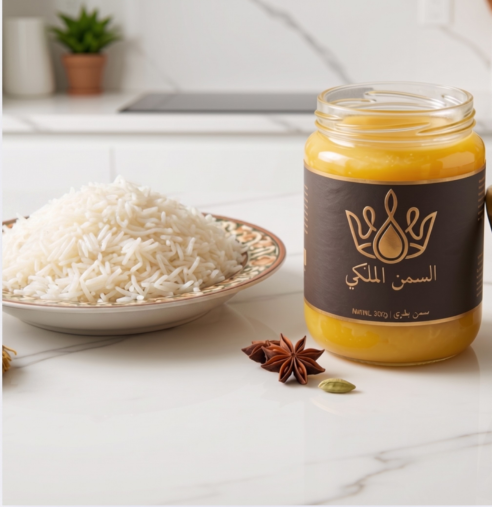
Certified Artisan Heritage Ghee Selection
Pure Syrian clarified butterfat engineered for maximum ambient stability and luxurious grain
8. Frequently Asked Ghee Refrigeration Questions
Does chilling ghee harm its nutritional value?
No. Chilling does not degrade lipid fatty acids or fat-soluble vitamins; it merely alters physical consistency temporarily.
How long can ghee stay unchilled in hot climates?
Pure clarified ghee remains shelf-stable for over 12 months in ambient pantry conditions, even if it transitions between solid and liquid phases during seasonal temperature shifts.
Why is butter perishable while ghee is shelf-stable?
Butter contains water moisture and milk sugars that fuel bacterial decay. Clarification purifies ghee to 99.8% pure butterfat, eliminating the moisture required for microbial growth.