
What Makes Eastern Syrian Desert Ghee Unique? Euphrates Pastures, Awassi Breed Terroir, and Bedouin Clarification Mastery
The eastern steppe of Syria—spanning Deir ez-Zor, Raqqa, and the Shamiyya desert—holds an almost mythic stature among epicureans and master culinary artisans across the Middle East. Ghee rendered from the Euphrates river basin is not merely a cooking fat; it represents the distilled essence of a rugged arid terroir rich in aromatic botanical shrubs, an ancient unhybridized Awassi sheep breed, and ancestral Bedouin clarification techniques refined over millennia as explored in our types of Arabic ghee in Syria guide and our ghee pricing analysis. This report explores the unique qualities of Eastern Syrian ghee.
1. Euphrates Basin Pastures: Wild Artemisia & Desert Halophytes
The incomparable flavor signature of Deiri ghee originates from the wild botanical ecology of the Euphrates river valley:
- Aromatic Artemisia (Shih & Qaysoom): Free-grazing sheep feed extensively on wild desert wormwood and chamomile, infusing natural terpenes and lipid-soluble antioxidants directly into milkfat globules.
- Halophytic Saltbush (Atriplex / Raghel): Native desert shrubs rich in trace minerals endow the milkfat with a distinctive, savory umami depth that cannot be replicated in cultivated pasture environments.
The Syrian Steppe Terroir Signature
2. The Euphrates Awassi Sheep: Concentrated Aromatic Milkfat
The Deir ez-Zor desert represents the genetic heartland of the pure Euphrates Awassi sheep breed:
- High Natural Fat Density: Euphrates Awassi ewes produce milk containing 7% to 9% butterfat—nearly double that of commercial European dairy cattle.
- Short-Chain Volatile Fatty Acids: Abundant concentrations of butyric, caproic, and caprylic acids provide deep, lingering dairy richness and stable crystalline grain as detailed in our sheep vs cow ghee comparison.
3. Ancient Bedouin Clarification: Copper Kettles & Stone Settling
Artisanal rendering in the Euphrates steppe follows strict ancestral traditions far removed from industrial refining:
Cultured whole milk is churned in traditional leather vessels (Qirbah) to extract raw butter, which is then slow-simmered over low embers in heavy copper caldrons alongside cracked durum wheat and wild desert herbs. The wheat grains absorb all moisture and milk solids, yielding pristine, golden liquid fat that crystallizes into delicate micro-beads.
4. Regional Comparison: Deir ez-Zor vs. Hama vs. Hauran Ghee
Each Syrian agricultural territory imparts a distinct personality to its butterfat:
- Deir ez-Zor (Eastern Region): The most aromatic and intense; pearly ivory hue with bold, smoky sheep undertones that dominate the palate.
- Hama (Central Region): Celebrated for luminous golden cow ghee; silky, mild, and highly versatile for delicate Damascene pastries.
- Hauran (Southern Region): Balanced volcanic terroir; smooth, buttery consistency with subtle grassy notes.
5. Why Desert Ghee Dominates Royal Feasts, Mansaf & Ouzi
In classical Middle Eastern culinary culture, ceremonial feasts such as Euphrates Mansaf, Ouzi, and Kabsa are incomplete without a generous final ladle of piping hot Deiri ghee as detailed in our cooking ghee guide:
- Rice Grain Separation & Gloss: Envelops each grain in a luminous sheen that prevents clumping and harmonizes with spiced lamb juices.
- Majestic Hospitality Fragrance: Releases an intoxicating floral steam that immediately fills the banquet hall, signaling premier hospitality.
6. Syrian Regional Ghee Terroir Matrix
| Geographical Region | Dominant Ghee Variety | Aromatic & Visual Signature | Premier Culinary Applications |
|---|---|---|---|
| Eastern Syria (Deir ez-Zor & Euphrates) | 100% Pure Awassi Sheep Ghee | Bold earthy-floral aroma, pearly ivory grain | Mansaf, Kabsa, Ouzi, Harissa, and royal banquets |
| Central Plains (Hama & Homs) | Pure Baladi Cow Ghee | Warm golden yellow, delicate buttery aroma | Baklava, Ma’amoul, and refined daily cooking |
| Southern Basalt Plains (Hauran) | Pasture Sheep & Cow Ghee | Velvety grain, balanced grassy-dairy notes | Artisan breads, roast meats, and breakfast dishes |
| Northern Aleppo & Idlib | Artisan Royal Blend (50/50) | Dense, rounded aroma designed for Aleppine spice | Aleppo Kibbeh varieties, Mahshi, and baked stews |
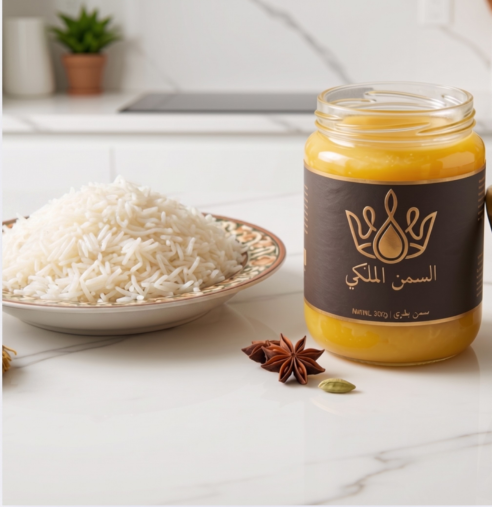
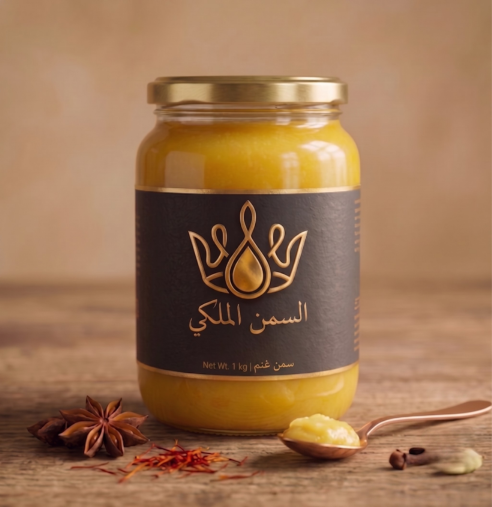
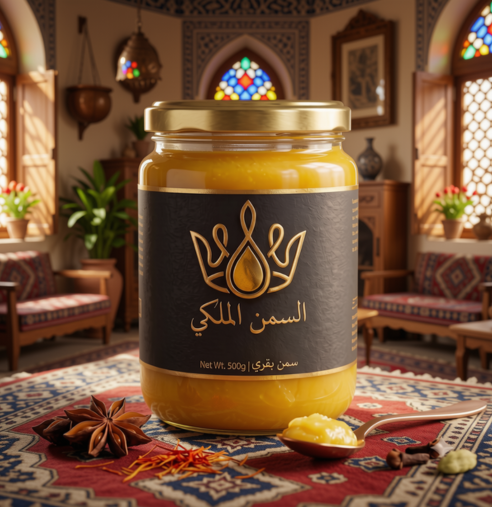
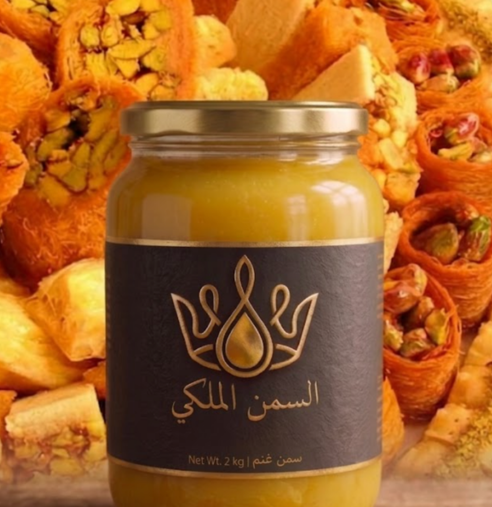
Certified Artisan Deiri & Euphrates Ghee Selection
100% authentic Syrian ghee sourced directly from the Euphrates river basin with certified terroir purity
8. Frequently Asked Eastern Terroir Questions
Why does Deir ez-Zor ghee command premium market pricing?
Deiri ghee relies exclusively on free-grazing Awassi ewes during a narrow spring flush. Low seasonal milk yield paired with exceptional nutrient concentration makes this butterfat a rare, prized delicacy.
Is Deiri ghee suitable for home cooks who prefer subtle flavors?
Deiri ghee features bold, distinct sheep flavor. For cooks desiring a milder profile, we recommend Baladi cow ghee or blending 30% Deiri ghee with 70% cow ghee for smooth aromatic balance.
How does Al Samn Al Malaki ensure geographical authenticity?
We work directly with generational pastoralists in the Euphrates steppe and perform gas chromatography fatty acid profiling to guarantee 100% genuine terroir origin.