
How to Choose Arabic Ghee for Cooking: Professional Pairing Standards for Daily Dining & Festive Banquets
Selecting the appropriate clarified butterfat marks the boundary between routine meal preparation and exceptional culinary artistry. While everyday braises require a gentle buttery profile that complements delicate ingredients, celebratory rice banquets and roasted meats demand an assertive aromatic richness as detailed in our culinary guide and grounded in the health properties of pure ghee. This guide outlines professional pairing protocols for Syrian baladi ghee.
1. Smoke Point Resilience (>250°C / 482°F) & Zero Oxidation
Culinary safety centers upon lipid stability under intense heat. Pure clarified Syrian baladi ghee features an exceptional smoke point exceeding 250°C (482°F), vastly superior to raw table butter (175°C) and virgin olive oil (190°C). This stability prevents fatty acid degradation into toxic aldehydes during deep pan-searing.
Moisture-Free Searing & Juice Retention
2. Everyday Cooking & Braising: Why Pasture Cow Ghee Excels
Pasture-raised Hama cow ghee is the master ingredient for daily home cuisine:
- Braisings & Vegetable Stews: Enhances green beans, okra, and spinach without overwhelming primary agricultural flavors.
- Soups & Broths: Adds silky body and radiant golden color derived from natural beta-carotene to lentil soups and bone broths.
- Breakfast Pan-Frying: Imparts a soothing buttery bouquet to morning eggs, fava beans, and flatbread toasts loved by all ages.
3. Festive Banquets & Mansaf: The Authority of Awassi Sheep Ghee
For grand ceremonial feasts such as Euphrates Mansaf, spiced Ouzi lamb, and Kabsa, Awassi sheep ghee and Deir ez-Zor banquet ghee reign supreme. Its short-chain volatile aromatic acids coat every rice grain in brilliant sheen and a memorable rustic pasture aroma.
4. Strategic Blending Techniques for Gastronomic Harmony
Levantine chefs frequently employ a strategic blend of 70% cow ghee and 30% sheep ghee for rice pilafs and roasted poultry. This ratio captures the prestigious aroma of sheep butterfat while preserving the light, approachable texture of cow ghee.
5. Culinary Portioning & Bioavailable Nutrient Delivery
Given the intense aromatic concentration of pure baladi butterfat, a single teaspoon (5–7 grams) imparts complete gastronomic richness for a 4-person dish, allowing home cooks to reduce total fat consumption compared to commercial hydrogenated oils analyzed in our adulteration guide.
6. Comprehensive Culinary Pairing Matrix
| Culinary Application | Recommended Variety | Gastronomic Outcome |
|---|---|---|
| Mansaf, Ouzi & Festive Rice | Awassi Sheep Ghee / Deiri Banquet Ghee | Grain separation, radiant sheen, authoritative aroma |
| Daily Vegetable Stews | Traditional Hama Cow Ghee | Light digestive profile, preserves vegetable sweetness |
| Soups & Bone Broths | Pasture Cow Ghee | Golden amber hue, rich mouthfeel without heaviness |
| Poultry & Meat Searing | Balanced 50/50 Sheep & Cow Blend | Crisp golden exterior, seals in internal juices |
| Eggs & Morning Dishes | Cow Ghee or Light Sheep Ghee | Silky texture, delicate buttery morning aroma |
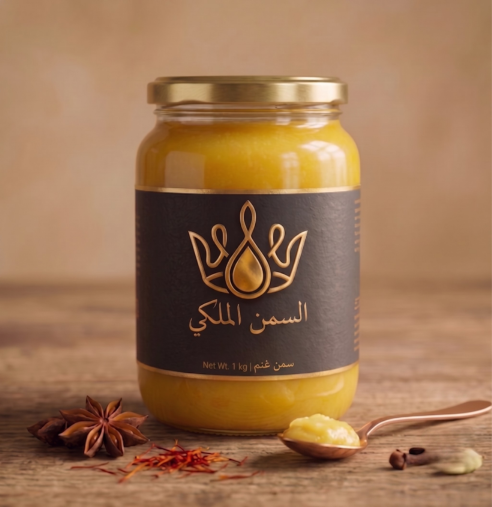
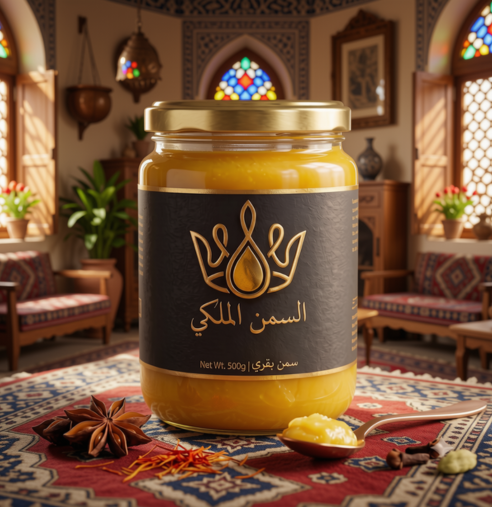
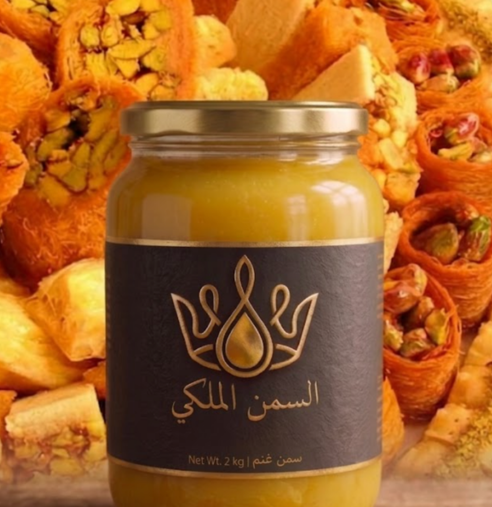
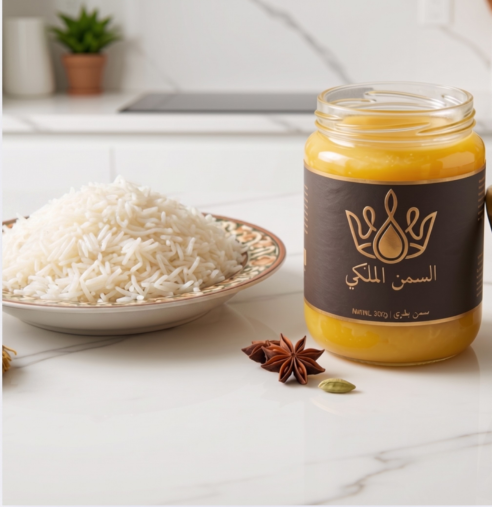
Certified Pure Syrian Cooking Ghee Selections
Artisanal batches crafted and tested to rigorous dairy standards
8. Frequently Asked Culinary Ghee Questions
Should ghee be added at the beginning or end of cooking?
Use the primary portion at the start for high-heat searing and aromatics extraction, adding a finishing half-teaspoon directly before serving to maximize fragrant volatile aromatics.
Is baladi ghee safe for high-temperature deep frying?
Yes. Fully clarified baladi ghee contains zero water or scorching milk solids, maintaining absolute thermal integrity up to 250°C without smoking or burning.
What packaging formats suit commercial culinary operations?
Al Samn Al Malaki offers dedicated food-service tins (4 kg and 10 kg formats) engineered for commercial kitchens requiring consistent high-heat performance.