
How to Choose the Best Arabic Ghee for Middle Eastern Sweets & Ma’amoul: Butterfat Standards, Flakiness, and Pastry Structure
In authentic Middle Eastern and Damascene pastry making, Arabic ghee (Samn Baladi) is not merely a fat for kneading or frying—it is the foundational soul that dictates crumb tenderness, semolina flakiness, and the rich, nostalgic aroma characteristic of royal desserts as detailed in our sheep vs cow ghee comparison and our cooking ghee selection guide. This professional guide outlines the craftsmanship standards for selecting the ideal ghee for every dessert variety.
1. The Chemistry of Pure Butterfat & Semolina Tenderness
Pure authentic Arabic ghee outperforms all plant-based fats due to the complete removal of moisture and milk solids during artisan clarification. When rubbed into semolina or flour, pure butterfat coats the starch granules, preventing tough gluten networks and yielding delicate pastries that melt effortlessly on the palate.
Semolina Absorption & Fat Saturation
2. Ma’amoul & Ghorayeba: Awassi Sheep Ghee Mastery
Pasture-fed Syrian Awassi sheep ghee represents the crown jewel for date, pistachio, and walnut Ma’amoul:
- Aromatic Density: Sheep ghee contains high concentrations of short-chain volatile fatty acids that bloom under baking temperatures, releasing an unmistakable heritage aroma.
- Silky Ghorayeba Consistency: Chilling and whipping crystallized sheep or cow ghee with powdered sugar produces a velvety, snow-white shortbread dough that does not crack in the oven.
3. Baklava, Kunafa & Warbat: Cow Ghee & Smart Blending
For layered filo pastries (Baklava, Warbat) and shredded kataifi dough (Kunafa):
Baladi cow ghee provides a natural golden hue and a light body that crisps filo sheets without masking premium Aleppo pistachio aromas, while adding 30% sheep ghee delivers the luxurious aromatic depth demanded by connoisseurs.
4. Pure Dairy Milkfat vs. Industrial Hydrogenated Fats
Industrial vegetable shortenings and synthetic margarines cause critical defects in oriental pastries, as analyzed in our signs of adulterated ghee guide:
- Waxy Palate Coating: Hydrogenated fats melt well above human body temperature (37°C), leaving an unpleasant greasy coating on the palate.
- Dry & Crumbly Dough: Lacking natural dairy fatty acid bonds, hydrogenated fats cause pastries to dry out and turn chalky shortly after baking.
5. Temperature Controls, Chilling & Flour Rubbing Standards
To achieve professional bakery consistency at home, fat temperature is critical:
- For Ma’amoul & Barazek: Use ghee at room temperature (semi-liquid with grain texture) to facilitate complete semolina hydration.
- For Ghorayeba & Petit Fours: Use chilled, solidified ghee straight from the refrigerator to whip into a light, airy white cream with sugar.
6. Pastry Pairing Matrix for Traditional Sweets
| Pastry Variety | Recommended Ghee Type | Artisanal Performance Rationale |
|---|---|---|
| Date & Pistachio Ma’amoul | 100% Pure Awassi Sheep Ghee | Semolina granules absorb the sheep butterfat, producing a crumbly, melt-in-mouth texture with lasting fragrance. |
| Royal Baklava, Warbat & Znoud El Sit | Cow & Sheep Blend (70/30) | Creates maximum crispness between filo dough sheets with a brilliant golden sheen and balanced aroma. |
| Shami Ghorayeba (Shortbread) | Chilled Cow or Sheep Ghee | Whipping crystallized cold ghee with sugar produces a pure white, velvety dough that does not crack during baking. |
| Nabulsi Kunafa & Mabrouma | Pure Baladi Cow Ghee | Ensures even browning of kataifi dough strands, providing crisp golden color without burning. |
| Sesame Barazek & Nabaq Harissa | Pure Sheep or Deiri Ghee | Provides optimal sesame seed roasting and a radiant glossy finish for traditional semolina cakes. |
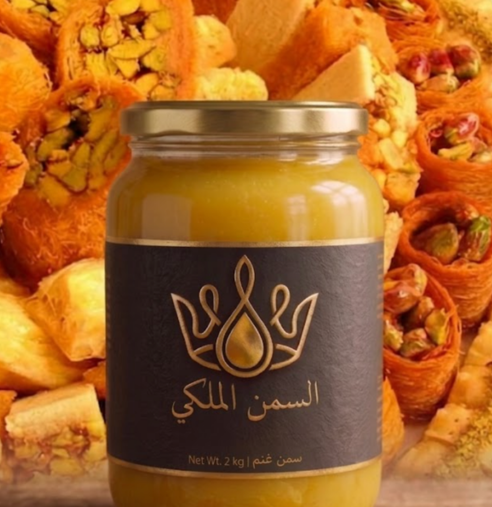
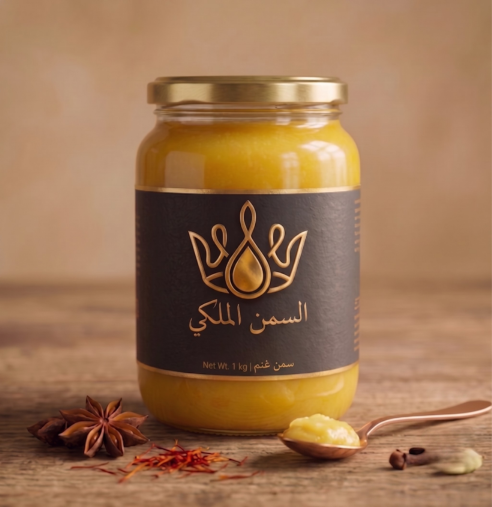
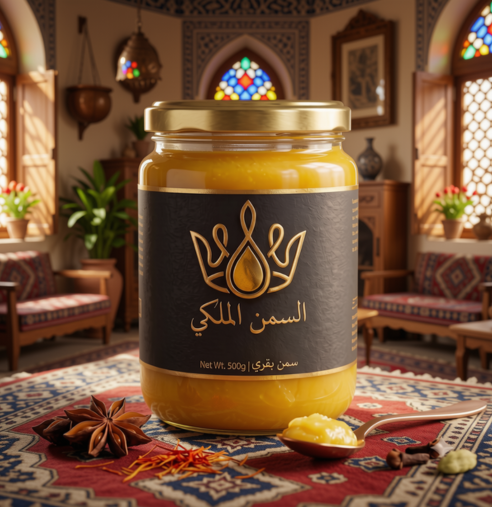
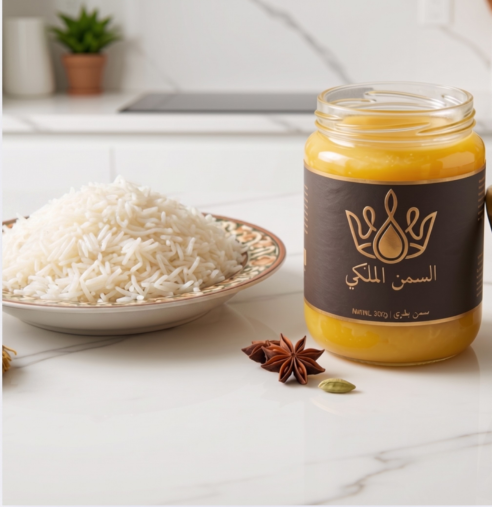
Certified Artisan Ghee Selection for Pastries
100% pure artisan Syrian ghee rendered according to master confectionery standards
8. Frequently Asked Pastry Questions
Why does Ma’amoul become hard or dry after a few days?
Dough dryness and hardness typically stem from using fats containing moisture, industrial hydrogenated shortenings, or overworking the semolina after liquid addition. Using pure clarified dairy ghee preserves a delicate crumb texture for several weeks.
Can whole butter be used directly instead of Arabic ghee?
Direct butter usage is discouraged in traditional pastries like Ma’amoul and Baklava because butter contains 16-18% water and milk solids that scorch during baking and cause dough toughness, unless it is first clarified into pure ghee.
How do master bakers achieve uniform golden Baklava without scorched edges?
Using pure clarified cow ghee, free of milk impurities, allows bakers to soak filo layers generously and bake at moderate, steady temperatures until an even golden hue is reached across every layer.