
How to Use Arabic Ghee for Rice: Culinary Ratios, Fluffy Grain Techniques & Gourmet Pilaf Mastery
Mastering using arabic ghee for rice is the foundational secret behind authentic Middle Eastern banquet rice, ensuring perfectly fluffy, non-sticky grains infused with rich pasture fragrance. Far beyond merely adding dairy richness as explored in our cooking ghee selection guide, clarified butterfat coats individual grain starches, creating an impermeable lipid barrier that controls gelatinization. This culinary gastronomy guide details the precise ratios, timing protocols, and heritage techniques to master gourmet rice dishes.
1. Rice Starch Gelatinization: How Ghee Ensures Fluffy Separated Grains
Cooking rice with clarified butterfat triggers vital physical and biochemical reactions:
- Amylose Starch Barrier: Hot ghee coats each raw rice grain with a microscopic hydrophobic lipid film, preventing sticky starch leakage into the boiling broth, ensuring perfectly separated grains.
- High Smoke Point (250°C / 482°F): Ghee allows high-heat roasting of vermicelli noodles or raw rice grains without scorching or bitter off-flavors, unlike butter which burns easily.
The Golden Ghee Ratios for Rice
– Short-Grain Calrose/Egyptian Rice (Vermicelli Pilaf & Maqluba): 1.5 tablespoons (25g–30g) per cup to manage denser starch content.
– Traditional Mansaf & Festive Banquets: 2 tablespoons of Awassi sheep ghee per cup including the final hot sizzle.
2. The Golden Ratios: Precise Ghee Measurements Per Cup of Rice
Precision prevents greasiness while maximizing luxurious aromatic gloss:
- Everyday Family Meals: One tablespoon per cup imparts a delicate silky shine and clean dairy aroma without heaviness.
- Festive Banquet Hospitality: Adding an extra half tablespoon elevates aroma, creating the signature banquet bouquet celebrated across Arabian hospitality.
3. Addition Timing: Initial Sauté vs. The Final Royal Ghee Sizzle
Professional chefs employ two distinct techniques for incorporating ghee:
Once the rice has absorbed all broth and is fully cooked, heat two tablespoons of pure ghee in a small pan until piping hot. Drizzle the sizzling fat evenly across the rice surface, cover the pot tightly, and let steam rest for 5 minutes. This locks volatile pasture esters directly into the top grains.
4. Heritage Rice Applications: Mansaf, Mandi, Kabsa & Vermicelli Pilaf
Classic Levantine and Gulf rice dishes each demand a specialized approach:
- Jordanian & Syrian Mansaf: Cooked exclusively with Awassi sheep ghee to balance the tart, creamy fermented jameed yogurt broth and tender lamb.
- Smoked Mandi Rice: Hot ghee is poured over glowing charcoal placed in an oil cup inside the rice pot to infuse woodsmoke essence throughout every grain.
- Levantine Vermicelli Rice (Roz bel Sh’ariyeh): Vermicelli noodles are browned deeply in cow ghee before adding rice and boiling broth.
5. Breed Selection: Awassi Sheep Ghee vs. Baladi Cow Ghee for Rice
Matching fat type to recipe profile as detailed in our sheep vs cow ghee comparison:
- Awassi Sheep Ghee: The ultimate pairing for red meats and bold broths (Mansaf, Lamb Kabsa, Quzi) providing robust pasture richness.
- Baladi Cow Ghee: The ideal choice for lighter everyday vermicelli pilafs and chicken biryani, providing a delicate dairy sweetness and natural golden beta-carotene color as explored in our ghee color guide.
6. Chef’s Secret: Blooming Whole Cardamom & Mastic in Hot Ghee
To achieve five-star restaurant quality at home:
- Gently melt pure mastic tears and cracked green cardamom pods in hot ghee before adding the rice.
- Pure clarified milkfat acts as a natural solvent that extracts fat-soluble spice essential oils, diffusing aromatic notes evenly across every rice grain.
7. Comprehensive Rice Dishes & Ghee Ratios Matrix
| Heritage Rice Dish | Rice Variety | Recommended Ghee Ratio | Optimal Addition Timing | Preferred Ghee Type |
|---|---|---|---|---|
| Artisanal Mansaf Rice | Short-grain Calrose | 2 tbsp per cup | Initial sauté + Final sizzle | Deiri Awassi Sheep Ghee |
| Saudi Kabsa & Mandi | Aged Basmati | 1.5 tbsp per cup | Onion & spice blooming stage | Awassi Sheep or Sheep/Cow blend |
| Levantine Vermicelli Rice | Medium/Short grain | 1 tbsp per cup | Initial vermicelli browning | Golden Baladi Cow Ghee |
| Bukhari & Biryani Rice | Long-grain Basmati | 1.5 tbsp per cup | Spice blooming + Top drizzle | Awassi Sheep or Cow Ghee |
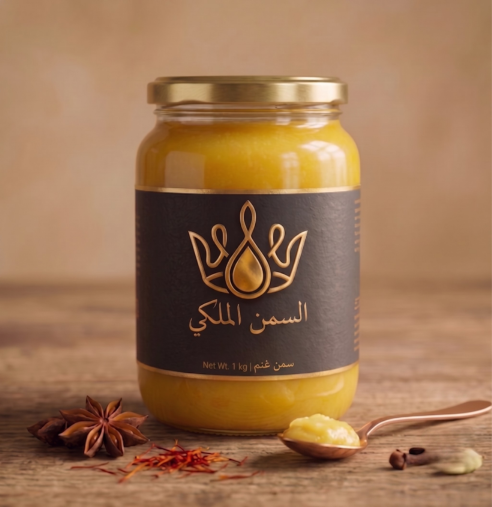
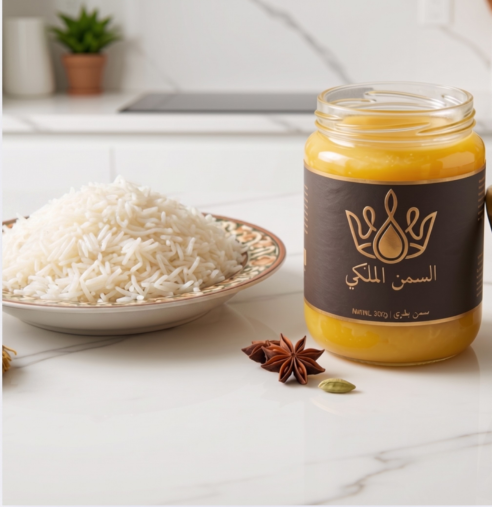
Certified Artisan Heritage Ghee Selection
100% pure Syrian clarified butterfat rendered to deliver flawless fluffy rice grains and unforgettable banquet aroma
9. Frequently Asked Rice & Ghee Cooking Questions
Can Arabic ghee completely replace cooking oil for rice?
Yes. Pure clarified ghee provides exceptional grain separation and brilliant gloss while delivering far superior nutritional richness and pasture aroma compared to processed seed oils.
How can I prevent rice from feeling heavy or greasy?
Adhere strictly to recommended culinary ratios (1 to 1.5 tablespoons per cup) and use pure, unadulterated ghee that absorbs cleanly into the starch matrix without leaving heavy oily pools.
Can cold solid ghee be stirred directly into cooked rice?
Always warm the ghee into a hot liquid before pouring it over cooked rice to ensure uniform distribution and full aromatic release throughout every grain.